

10 neuroscience backed things to do when you're overstimulated
A list of things I do that bring me back to myself

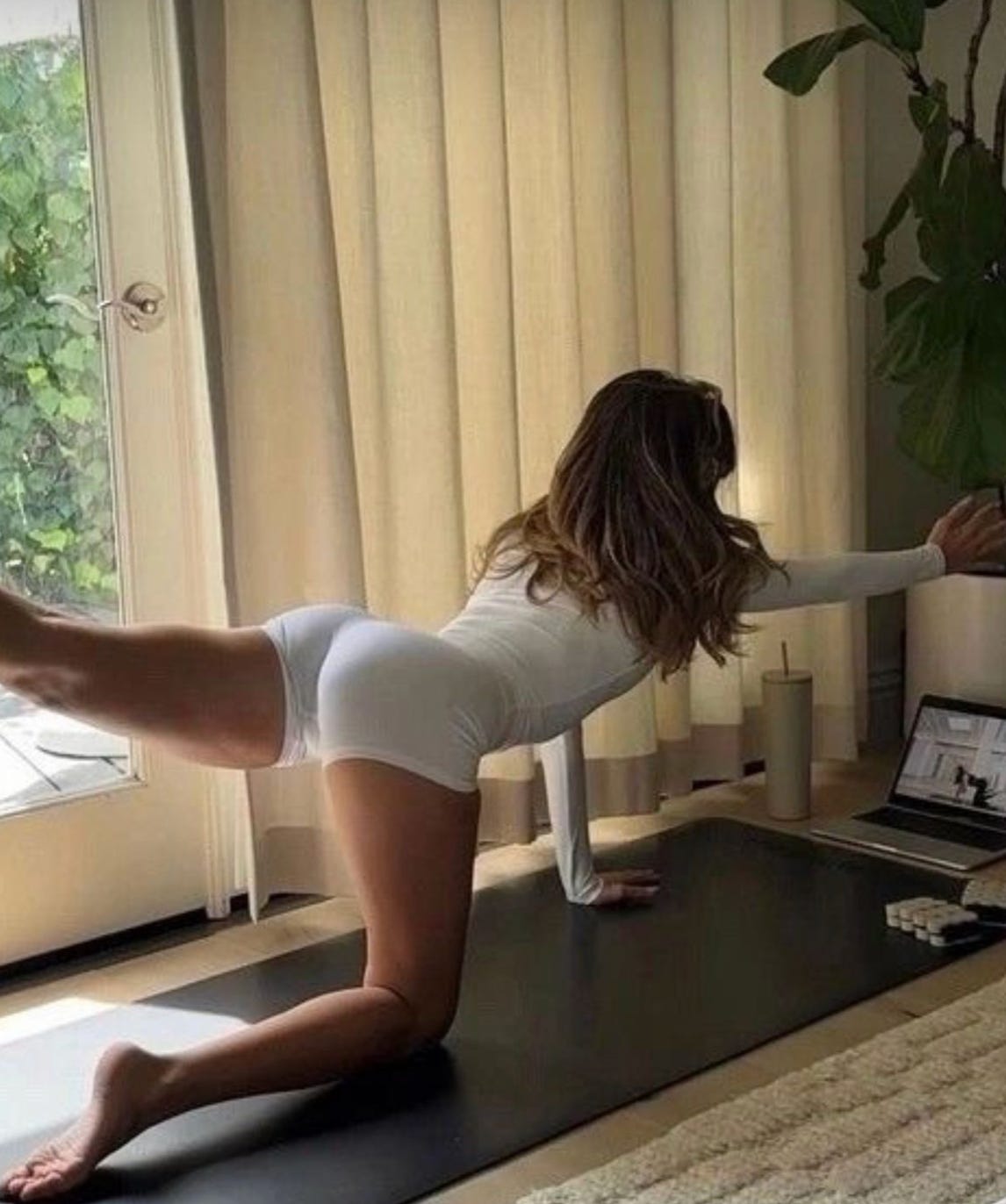
I tend to get really charged throughout the day, running around doing 10 things at once, downing my 4th cup of coffee, etc.
I realize that my stress levels and inability to relax actually damage my productivity and creativity… kind of ironic because of course, in pursuit of being more efficient I’m only hindering my performance.
Something I’ve learned: anything you chase in life, is going to run in the opposite direction. People, money, opportunities, ideas, creativity, productivity, etc.
The more I can stay calm, the more ideas I can generate. The more I can stay relaxed, the more clear headed and productive I become.
So now I stay very observant, and when I begin to feel overstimulated, I look at my list and force myself to do something different.
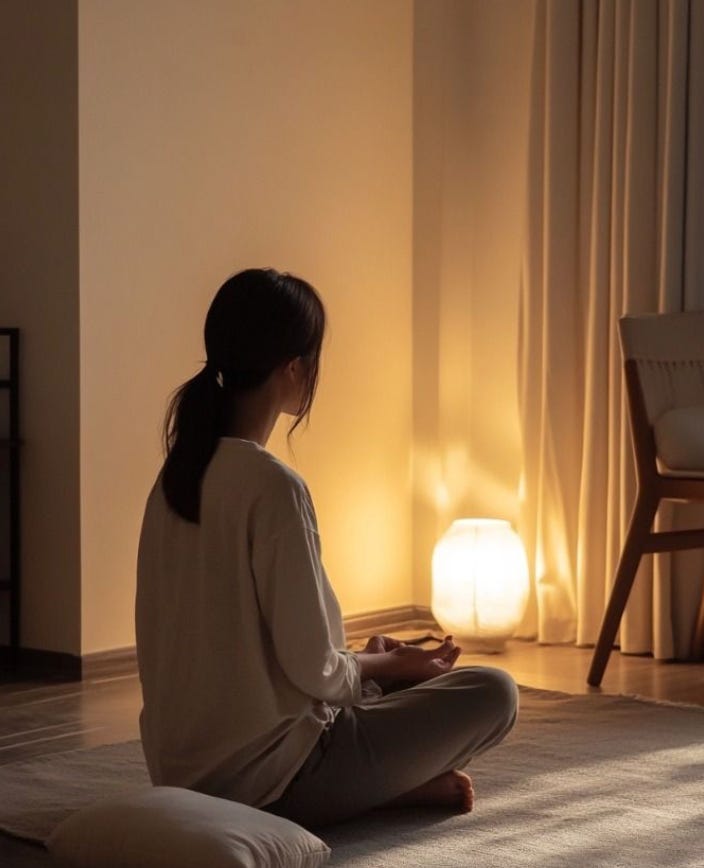
1. Meditate
Even if I only have 5 minutes, fine. I remind myself “I will get 10x more out of my day with this 5 minutes of stillness than I ever could without it.”
The purpose of meditation is to think about nothing. Usually you start with focusing on the breath, counting it, breathing in for 4, exhaling for 6, or doing body scans. Simply being aware of the sensations of sitting. When the mind wanders, you gently return your focus to the breath.
Incredibly difficult. But INCREDIBLY beneficial for cognition, memory, focus, creativity, releasing anxiety, emotional regulation, problem solving.
Meditation can actually increase the amount of gray matter in the brain, literally building the brain up.
Neuroscience of Mindfulness Meditation
2. Box breathing
4-4-4-4
Inhale for 4, exhale for 4. A practice used by NAVY SEALS to activate the parasympathetic (rest and digest) nervous system instead of the sympathetic nervous system (fight or flight)
3. Make tea
Simply putting my focus on something else, and doing nothing but drinking tea for 5 minutes.
4. Spend time with my pets
Not all of us have animals, but if you are a pet owner, just being around them has been proven to lower blood pressure and reduce cortisol (the stress hormone) !

5. Write
I love getting on substack and writing when I feel overstimulated, writing activates creative thinking by forcing a slower, more deliberate pace of thought, which allows the brain to make new connections and explore different perspectives.
6. Go for an unstimulated walk
When the brain experiences images passing by and you experience visual flow, it can actually calm the nervous system, slows blood pressure, and heart rate. When you walk without external stimuli (music, podcast, other people, etc.) you activate the default mode network in the brain, which is a club of regions in the brain that are activated when you aren’t actively being productive. This is when the brain can create new neural connections, problem solve, and self reflect. A 20 minute walk can reduce anxiety levels by 30%.

7. Eat a piece of chocolate
Activates the brain’s reward centers, influencing mood and pleasure through neurotransmitters like dopamine and serotonin. Dark chocolate, in particular, contains flavanols that may improve cognitive function, increase blood flow to the brain, and reduce stress.
8. Do a workout class I love
Working out in any capacity has been proven undoubtably to have potent, positive, mental health affects. A workout lowers cortisol by training the body to manage and recover from the stress response. While intense exercise initially raises cortisol to provide energy, the body quickly reduces it afterward, and with regular exercise, baseline cortisol levels decrease over time.
Cortisol is the stress hormone, and working out is the sure fire way to manage your cortisol levels. Working out calms the nervous system by releasing endorphins, which act as natural mood boosters and pain relievers.
Even if I don’t want to, if I’m getting too charged and stressed during my day, I will force myself to go to a class.
Especially a class I really enjoy, because Neuroscience shows that doing workouts you like creates a positive feedback loop through the brain’s reward system, enhancing motivation and mood. In contrast, workouts you dislike can be perceived as stressful, potentially diminishing the mental health benefits of exercise
9. Read
Even if it’s a page. A fiction book, a non fiction book, an article, a vogue magazine it really doesn’t matter. But slowing down to read something can help slow heart rate, reorient focus, and relax muscles.

10. Play a brain game
Crossword, NY Times games, luminosity app, vocabulary app, whatever. redirecting your focus from stressful thoughts to the present moment through engagement and dopamine release.